Sulfite Paper Production: From Sustainable Forests to Packaging
The majority of raw materials used in sulfite paper production are obtained from trees such as pine, spruce, and beech, grown in sustainably managed forests. A seed that falls to the ground grows into a strong tree over the years, and the fibers of these trees form the absolute basis of modern paper production.
These trees, once they reach a certain maturity, are cut down in a controlled manner. The primary aim is not to harm nature, but to ensure a sustainable ecological cycle. New saplings are planted in place of the felled trees, thus preserving the continuity of the forests.
Turning Raw Wood into Cellulose Pulp
The felled trees are transported to specialized paper mills. There, the tree trunks are first separated from their bark and broken into small pieces. These pieces are then turned into wood chips. This stage, one of the fundamental steps in high-quality paper manufacturing, extracts the valuable fibers from within the tree.
In the next stage, these wood chips are processed in special vats to be converted into cellulose pulp. Cellulose is a natural substance that makes up the fiber structure of the tree and is the main raw material for paper. One of the methods used in sulfite paper production is a chemical separation process known as the sulfite process. During this process, the wood fibers are separated, and a clean and strong cellulose pulp suitable for paper production is obtained.
Processing and Shaping Sulfite Paper
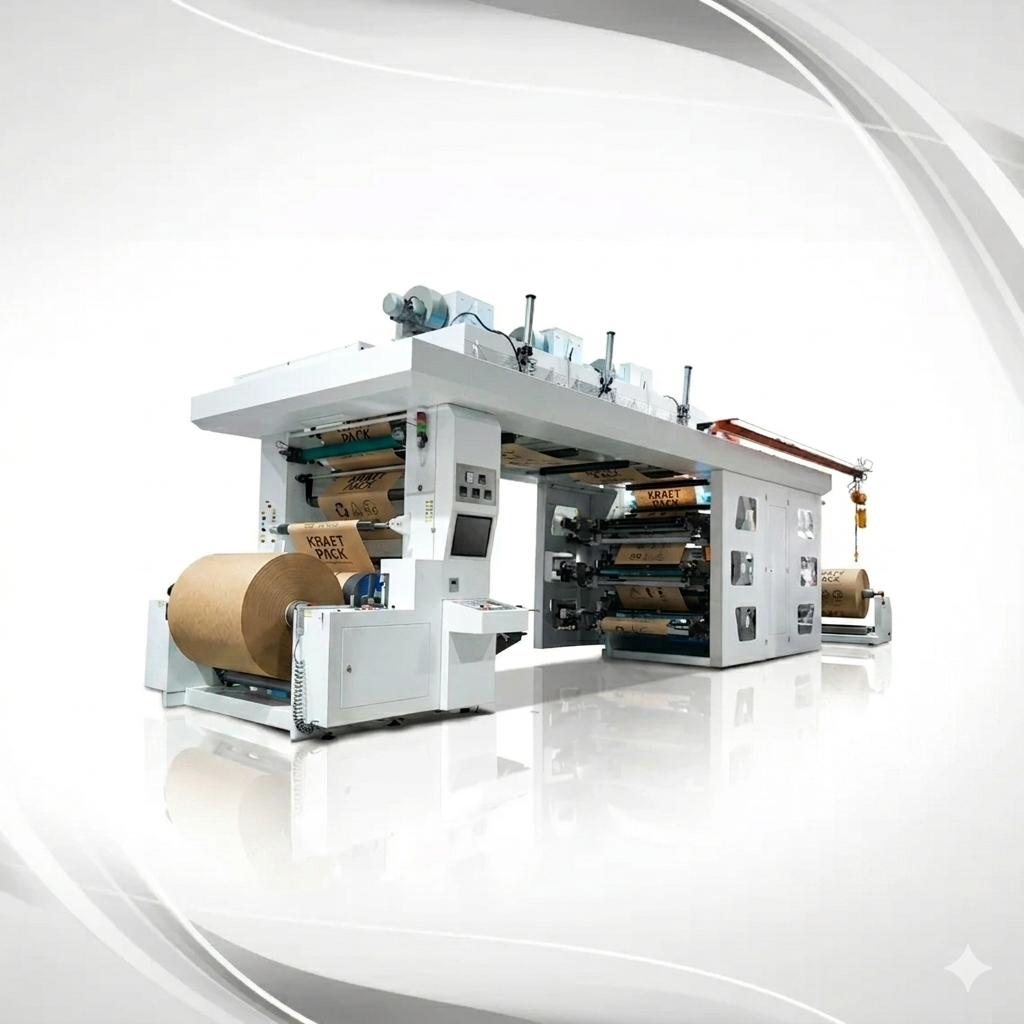
The resulting pulp is transferred to large manufacturing machines. Here, cellulose fibers are mixed with water, spread in a thin layer, pressed, and dried. As a result of this process, the fibers bind together, forming the durable paper we know today.
The structure of the fibers is very important in sulfite paper production. Therefore, the durability, surface smoothness, and print quality of the paper are carefully controlled during the production process. This ensures both strong and high-quality paper.
Final Stages and Industrial Usage
After production is complete, sulfite papers are sent in large rolls to the packaging and printing industry. Here, the papers are cut, shaped, and transformed into various packaging products.
In the final stage, these papers appear in many products we use in our daily lives. Used in wrapping bakery products, packaging papers, food packaging, or various protective packaging solutions, sulfite paper is the result of a long journey from a seed in nature to human life. Produced from natural cellulose fibers, it holds an important place in the packaging industry thanks to its durable structure and safe usage characteristics.